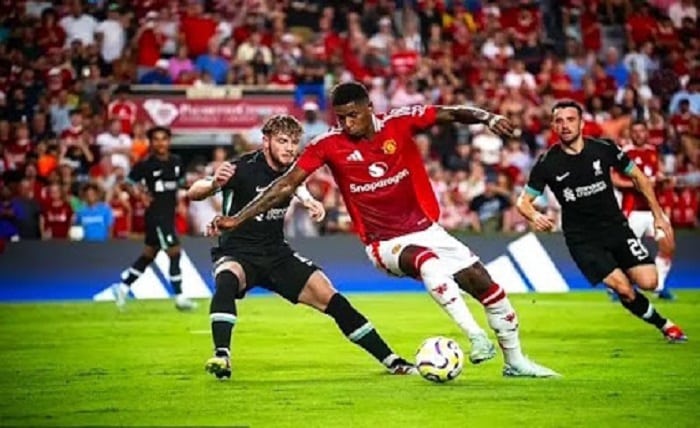
What is a libero in football is a question many people ask when learning about special positions on the pitch. Although this role is less common today, the libero remains an important part of football’s tactical history. Understanding it helps viewers follow how defensive systems have changed through different periods, as socolive explores this distinctive position.
What is a libero in football today?
What is a libero in football? The term refers to a sweeper who operates behind the main defensive line. Their primary duties include covering teammates, dealing with dangerous situations, and stopping attacking moves from opponents.
Unlike a traditional center-back, a libero is not restricted to marking one specific opponent. The player has greater freedom to move, read situations, and intervene when necessary. This flexibility became one of the defining features of the position during earlier periods of football.
The libero position was widely used in Europe, especially within famous Italian defensive systems. Players in this role usually needed strong anticipation, accurate passing, and excellent tactical awareness. These qualities allowed them to contribute to both defensive stability and the team’s overall build-up play.
The tactical role of the libero
To understand what is a libero in football more clearly, it is necessary to examine the responsibilities this position performs during matches. The libero does not simply stay behind the other defenders throughout the game. Their movements can influence defensive organization, possession, transitions, and the team’s overall tactical shape.
Covering the defensive line
One of the most important duties of a libero is supporting the defenders positioned ahead of them. When a teammate is beaten or moves out of position, the libero can step in and deal with the immediate threat. Their ability to read the match helps them make quick decisions before an attacking chance becomes more dangerous.
This covering role provides an extra layer of protection near the penalty area. It can reduce the number of direct one-on-one situations faced by the goalkeeper. The libero must therefore maintain good distance from the other defenders while constantly monitoring the movement of attackers.
Starting attacking moves
The libero can also contribute to building attacks from deep areas. After winning possession, the player may switch the ball toward the flank or make a forward pass to begin a counterattack. Some famous liberos were known for their accurate long passes and ability to change the direction of play.
This skill allows the team to move quickly from defense into attack. In certain systems, the libero can also advance into midfield when space becomes available. Therefore, what is a libero in football also involves understanding how defensive players can contribute to attacking transitions.
Organizing the defensive unit
Players in this position are often expected to have strong experience and a clear understanding of the game. They constantly observe the match and communicate with defenders around them. Their wider view of the pitch helps explain what is a libero in football while allowing them to organize the defensive line and maintain the team’s shape.
A libero can also identify spaces that teammates may struggle to see from their positions. By giving instructions, they can help defenders adjust their distances and respond to attacking movements. This leadership role adds another tactical dimension to the position beyond basic defensive duties.
Controlling dangerous spaces
Rather than focusing only on a direct opponent, the libero pays close attention to open spaces behind the defensive line. Their task is to close areas that attackers could exploit through through-balls or long passes. Smart movement allows the player to react effectively when the ball enters these dangerous zones.
The libero can also reduce pressure on central defenders by covering the space they leave behind. This becomes especially useful when defenders step forward to challenge an attacker. For readers comparing historical roles through lịch thi đấu socolive, understanding these positional differences can make tactical analysis easier.
Key points when learning about the libero today
Before evaluating what is a libero in football, several basic points should be remembered. The position developed under older tactical systems and is not as common in modern football as it once was. However, some modern defenders still display characteristics associated with this role.
- In many tactical sources, the libero is also called a sweeper.
- The player usually operates deeper than the other central defenders.
- Their main duties involve covering defensive spaces and dealing with dangerous attacks.
- Compared with traditional defenders, liberos have greater freedom of movement.
- Many notable liberos were recognized for their accurate passing.
- The role was especially familiar within several Italian football systems.
- Tactical changes have gradually reduced the use of the traditional libero.
- Some modern center-backs still show playing characteristics similar to classic liberos.
Conclusion
What is a libero in football is not simply a question about one position but also about how football tactics have evolved across different eras. Although the traditional role is now less common, the libero left a lasting mark on defensive systems and football history. Understanding its duties and tactical value can help fans follow positional changes and appreciate the development of modern defensive structures.